

Residential Historical Renovation: Preserving What Matters Most
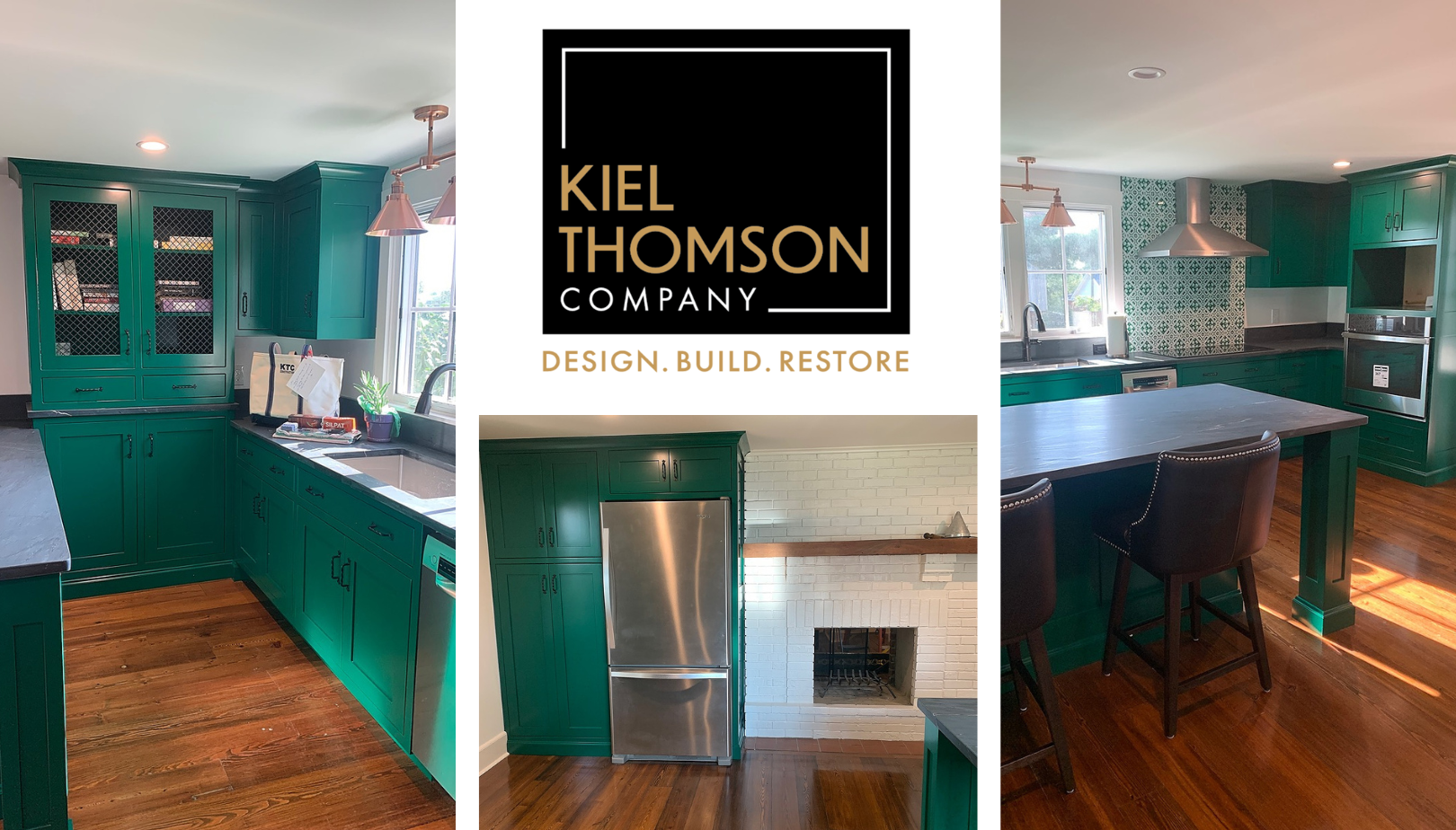
Historic homes offer craftsmanship, materials, and proportions that are difficult to replicate. Renovating them requires a careful balance between honoring the past and supporting modern living.
Every historic renovation begins with understanding the home itself. Original construction methods, defining architectural features, and existing conditions must be studied before meaningful design decisions can be made. This groundwork ensures that updates feel intentional rather than imposed.
Modern living requires improvements, electrical capacity, HVAC, insulation, and updated layouts, but these upgrades should never overshadow the home’s character. A design-build approach allows modern systems to be integrated discreetly, preserving visual continuity while improving comfort and performance.
Older homes often reveal unexpected conditions during construction. Because design and construction are unified, the team can adapt quickly and collaboratively. Decisions are made with full awareness of design intent and construction realities, protecting both schedule and craftsmanship.
Attention to detail is essential. Restoring original trim, matching historic materials, and carefully modifying layouts all require patience and precision. These choices shape whether a renovation feels authentic or disjointed.
The goal of historic renovation isn’t to make a home feel new. It’s to make it feel complete—respecting its history while allowing it to function comfortably for the people who live there today.
