

Looking Back at 2025: What We Learned, What We Changed, and What Comes Next
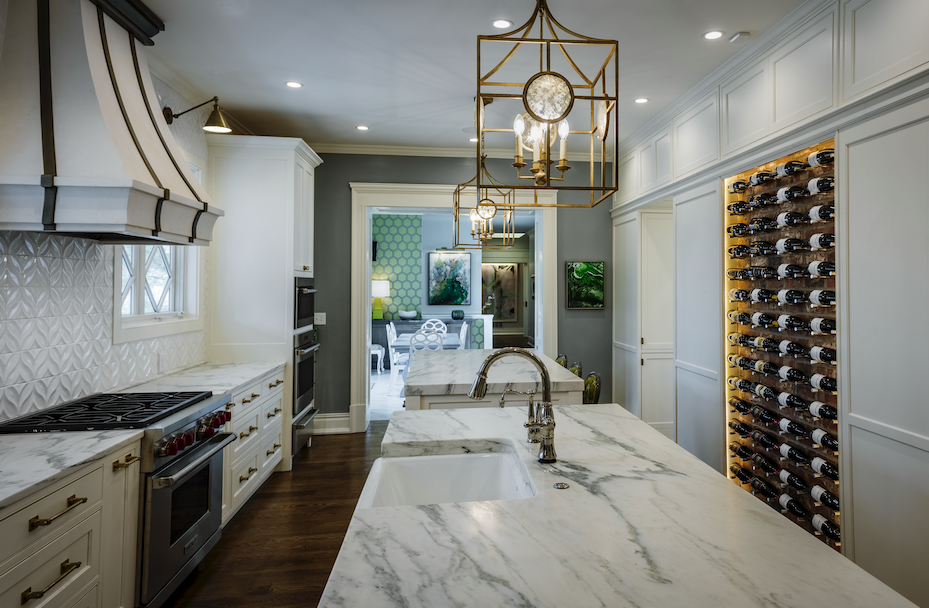
As we close out 2025, we’re reflecting not through a highlight reel of finished projects, but through the honest lessons and challenges that shaped how we work. This year brought tariff-driven cost swings, new homeowner priorities, and evolving expectations around sustainability and long-term livability. Through it all, our greatest teachers were our clients—reminding us that construction is a partnership built on communication, transparency, and shared problem-solving.
What Our Clients Taught Us
Communication Needs More Than Updates
A historic renovation early in the year changed the way we communicate. The homeowners lived on-site, and they didn’t just want to know what was happening—they wanted to understand why. That insight reshaped our process. Now, when we communicate schedule changes, material adjustments, or design updates, we explain the reasoning behind decisions. This shift turned communication from a courtesy into a true collaboration tool.
Vulnerability Builds Stronger Partnerships
Tariffs hit unexpectedly mid-project, driving up the cost of softwood lumber and wooden products. We chose transparency instead of quietly absorbing the increases. By presenting data and offering alternatives, we invited clients into the decision-making process. Their response surprised us: partnership rather than frustration. Those difficult conversations built trust in ways “perfect execution” never could.
Preserving a Home Means Preserving Its Story
Working on several century-old homes deepened our understanding of what historic preservation means. Yes, it’s about architectural integrity, approvals, and craftsmanship. But it’s also about safeguarding family stories. When a client told us their home had been in the family for four generations, restoring the original heart pine floors became about much more than wood—it was about continuity. Today, every historic project begins with a conversation about the home’s history, not just its plans.
Industry Shifts That Reshaped Our Work
Navigating Tariffs and Volatility
Material costs rose for three consecutive months in 2025. We adapted by increasing contingency planning, diversifying suppliers, and giving clients clear documentation on how tariffs affected their budget. These weren’t defensive measures—they were proactive strategies to help homeowners make informed choices in a fluctuating market.
Sustainability Became a Priority, Not a Perk
Clients increasingly asked for data-backed guidance on energy-efficient windows, insulation performance, and sustainable materials. We responded with detailed cost-benefit analyses. The numbers were compelling: upgraded insulation reduced energy costs by up to 35%, and high-performance windows delivered meaningful long-term savings. Homeowners were no longer asking about whether to invest in sustainability—they were asking how to do it wisely.
Technology Transformed the Experience
We expanded our use of digital project management tools, giving homeowners real-time access to schedules, budget tracking, photos, and approvals. Satisfaction scores jumped 40% compared to 2024. Technology didn’t replace communication—it enhanced it, allowing our teams to focus more on craftsmanship and less on administrative coordination.
What We're Preparing for in 2026
Design With Character, Not Minimalism
Forecasts show a shift toward richer materials and warmer palettes: Art Deco influences, mixed textures, and bold design choices. Clients are moving away from the all-white interiors of recent years toward warmth and personality. We’ve already incorporated these elements into several upcoming 2026 projects.
Aging in Place Becomes Standard Practice
First-floor primary suites, zero-threshold showers, wider doorways, and accessible kitchens are becoming expected—not niche. We’re broadening our expertise and partnerships to meet this demand thoughtfully.
Wellness Spaces Rise in Importance
Homeowners increasingly want dedicated health-focused spaces—gyms, saunas, meditation rooms. That means new considerations around HVAC, moisture control, electrical needs, and structural planning.
Actionable Guidance for 2026 Renovations
Start planning early. The strongest 2025 outcomes came from projects that began design six to nine months before construction. Build in a 10–15% contingency—volatility is normal, not unusual. Know your priorities so decisions during construction stay aligned with what matters most. And choose a partner you trust. The lowest bid rarely tells the full story, especially in historic or technically complex work.
What Hasn’t Changed
Our commitment to craftsmanship, respect for historic architecture, and dedication to clear communication remain at the core of who we are. The challenges of 2025 didn’t weaken our process—they strengthened it.
As we look toward 2026, we’re grateful for the trust clients placed in us this year. Whether you're planning a restoration, a modern addition, or a renovation that better reflects how you live, we’d be honored to help bring your vision to life.
