

The Kitchen Addition That Makes Hosting Feel Effortless (Without Losing Character)
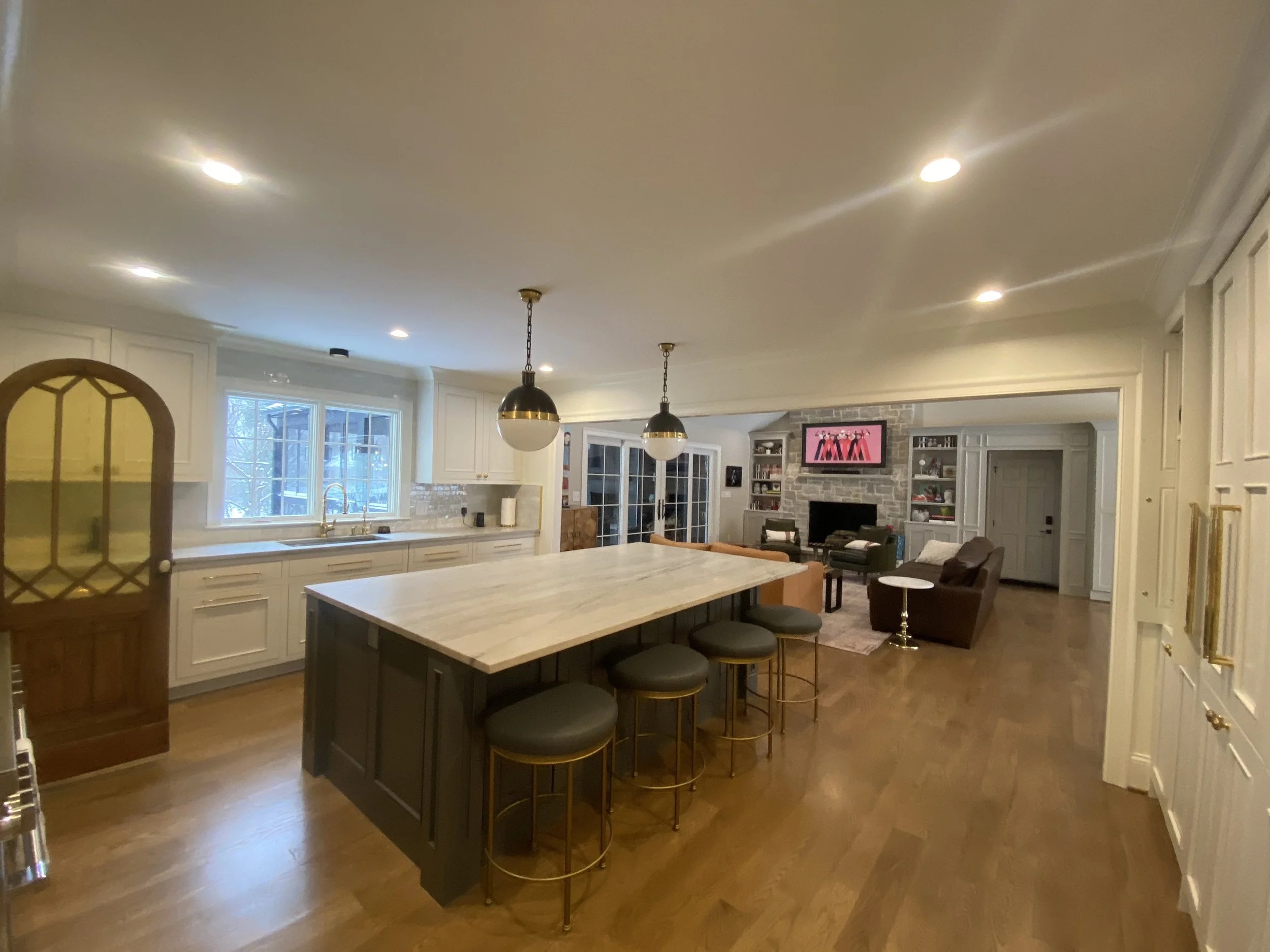
In Louisville, the first warm Saturday of the season has a familiar rhythm. The back door swings open. Kids or dogs orbit between inside and out. Someone sets a drink down and conversation gathers in the kitchen—again.
For many Highlands homeowners, that kitchen wasn’t built for today’s pace of life. The light is lovely. The architecture is charming. But the moment you invite more than two guests, the pinch points show up: everyone huddled between the range and the sink, no room to land a tray, and a cook who’s isolated while everyone else mingles.
That’s often the moment a homeowner starts dreaming: What if we added just enough space to make this feel effortless?
Not a massive great room that erases the home’s character. Just a small, well-designed addition—a little more kitchen where you need it, plus a seating area that brings calm and connection. At Kiel Thomson Company, we’ve guided many homeowners through that exact transformation. Here’s how we help make it work.
Start With a Better Life, Not Just a Bigger Room
When you think “kitchen addition,” don’t think square footage. Think better mornings. Think easier Saturdays.
The most successful designs solve real, everyday problems:
A traffic pattern that cuts through the cook zone
No landing zone for groceries or drinks
Stools no one wants to linger in
A layout that isolates the cook
Smart additions target those pressure points, not just spread space equally.
What’s a “Snug” and Why Do You Want One?
A snug is a small seating nook adjacent to the kitchen. Done right, it changes everything.
It invites conversation, gives guests a place to pause (without being in the way), and helps the kitchen feel like part of the living space—not just a work zone.
What a snug shouldn’t be: a second dining room you never use, or leftover space shoehorned in after cabinets are designed. Plan it with the kitchen, so light, views, and flow work in harmony.
Flow, Light, and Structure: The Real Addition Puzzle
From the outside, a kitchen addition may look simple. Inside, it’s a puzzle of:
How you want to live
What the house can support (structurally and mechanically)
What local zoning allows
When those align, the result feels like it was always part of the house.
Design circulation first—then cabinetry. Ask:
Can someone walk from the back door to the fridge without entering the cooking zone?
Can two people pass each other without turning sideways?
Can someone sit in the snug while another unloads the dishwasher?
Hosting feels natural when the layout supports flow.
Building for Year-Round Comfort and Joy
The goal isn’t just to make summer parties better. It’s to make everyday life richer—even in February.
That means considering comfort and durability:
Window placement for natural light and views
HVAC sized for the new space
Durable finishes that handle pets, kids, and guests
Layered lighting for evening ambiance
A snug becomes the ideal spot for morning coffee, evening wine, or mid-day homework—especially when it connects seamlessly to the outdoors.
Budgeting and Timeline: Know What to Expect
Most homeowners don’t underestimate the desire—they underestimate the decisions. From cabinetry to lighting, door systems to flooring transitions, kitchen additions bring dozens of choices.
The best way to de-risk the process? A design-build approach. At Kiel Thomson Company, we integrate design and construction from day one. That means your layout decisions, material selections, and budget realities are aligned from the start—and you’re never left managing handoffs between architects, trades, and contractors.
Ready for Your First Warm Saturday?
If you’re dreaming of a kitchen that works better—not just looks better—the next step isn’t picking tile. It’s clarifying how you want life to feel when the back door swings open and people gather around the way you always imagined.
Kiel Thomson Company can walk your home, map an early plan, and help create a kitchen addition with a snug that feels inevitable—like it was always meant to be there.
Let’s design for warm-weather living. No matter the season.
